
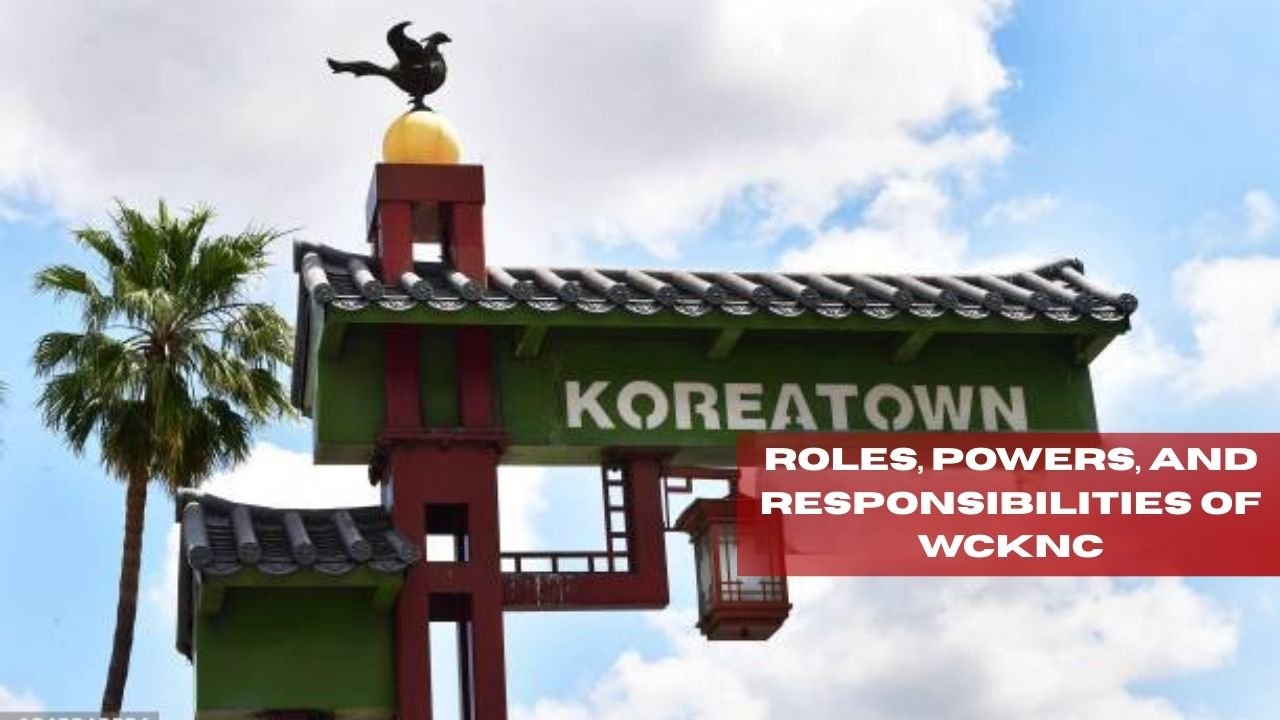
The Wilshire Center Koreatown Neighborhood Council (WCKNC) plays a essential role in representing one of Los Angeles’ most diverse and densely populated communities. As part of the City of Los Angeles Neighborhood Council tool, WCKNC serves as a bridge between nearby stakeholders and metropolis government. While it does now not have legislative authority, its influence lies in advocacy, network engagement, and advisory duties that form community decision-making.
Primary Role of WCKNC
The relevant position of WCKNC is to symbolize the voices and worries of stakeholders dwelling, working, or proudly owning property within the Wilshire Center-Koreatown vicinity. Stakeholders include citizens, commercial enterprise proprietors, employees, college students, and community agencies within the council’s limitations.
WCKNC gives a proper platform where network contributors can enhance issues associated with public protection, housing, transportation, sanitation, land use, and best of existence. By accumulating and organizing network input, the council ensures that neighborhood views are communicated surely to town officers and departments.
Advisory Powers and Influence
Although WCKNC does now not create legal guidelines or implement rules, it holds crucial advisory powers. One of its key tools is the capability to publish Community Impact Statements (CIS) to the Los Angeles City Council and city departments. These statements explicit the council’s professional position on proposed ordinances, development tasks, or metropolis regulations.
City officials often evaluation these statements when considering selections that affect the Koreatown place. While no longer binding, WCKNC’s tips can affect results by using highlighting community issues and priorities.
Community Advocacy and Representation

WCKNC acts as an advocate for the community via speaking without delay with elected officials, including City Council members whose districts overlap Koreatown. Because the place is divided among multiple council districts, WCKNC performs a important role in unifying community voices.
The council raises awareness approximately issues along with traffic safety, homelessness offerings, community cleanliness, and improvement impacts. It may request meetings with city organizations, prepare public boards, or skip formal resolutions to push for motion on pressing worries.
Responsibilities in Community Engagement
Engaging the general public is considered one of WCKNC’s most crucial responsibilities. The council is required to maintain normal public conferences which are open and reachable to all stakeholders. These meetings provide possibilities for residents to speak without delay to board individuals, ask questions, and stay informed approximately nearby issues.

WCKNC additionally conducts outreach via community events, virtual structures, and multilingual communication to ensure huge participation. Given the cultural and linguistic diversity of Koreatown, inclusive outreach is important to pleasurable the council’s assignment.
Financial Responsibilities and Oversight
WCKNC receives annual funding from the City of Los Angeles to support community projects and operations. Managing these funds responsibly is a major responsibility of the council. All expenditures must follow strict city guidelines, with clear documentation and transparency.
Funds are often used for neighborhood improvement tasks, public protection initiatives, network events, and outreach efforts. Financial duty guarantees accept as true with between the council, the metropolis, and the community it serves.
Collaboration and Committee Work
Much of WCKNC’s work happens through specialised committees targeted on areas which include land use, public safety, outreach, or homelessness. These committees studies issues, have interaction stakeholders, and develop hints for the entire board.
WCKNC also collaborates with other community councils, nonprofits, and metropolis corporations to deal with shared challenges and promote coordinated answers.
Conclusion
The Wilshire Center Koreatown Neighborhood Council performs a critical position in strengthening local democracy and network illustration. Through advisory powers, advocacy, public engagement, and accountable oversight of metropolis finances, WCKNC ensures that stakeholder voices are heard in town decision-making. While it does not keep legislative authority, its impact lies in harmony, participation, and persistent advocacy. By pleasant its roles and duties efficaciously, WCKNC enables shape a greater responsive, inclusive, and linked Koreatown network.
