
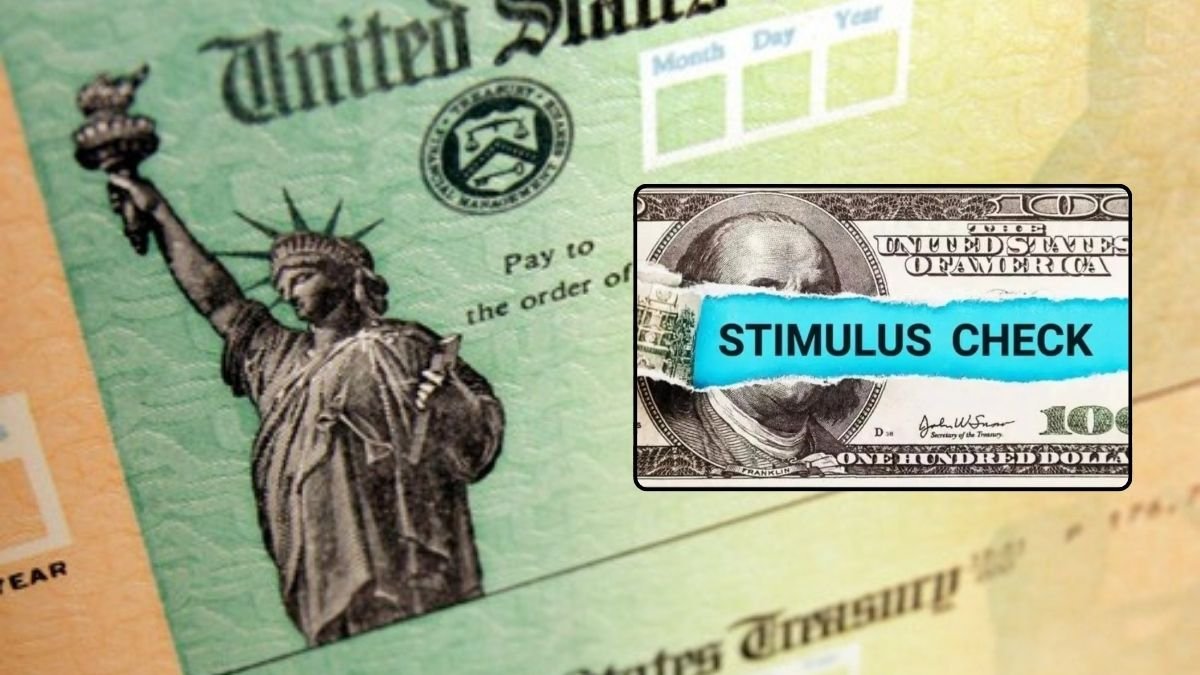
In recent years, stimulus payments have played an important role in helping households manage rising living costs and economic uncertainty. As discussions about financial relief continue, many families and senior citizens are searching for information about a possible $1,800 stimulus check in 2026. The idea of another relief payment has gained attention, especially among individuals who rely on fixed incomes, government benefits, or limited financial resources.
For families struggling with everyday expenses and seniors coping with healthcare costs, such payments could provide temporary financial stability. Understanding how these payments may work, who might qualify, and what eligibility criteria could apply is essential for anyone hoping to benefit from this potential stimulus support.
What Is the $1,800 Stimulus Check for 2026?

The proposed $1,800 stimulus check for 2026 is being discussed as a potential economic relief payment aimed at supporting American households. Stimulus payments are typically issued during times of financial stress to boost consumer spending and help individuals cover essential expenses such as food, housing, healthcare, and utilities.
If implemented, the $1,800 payment would likely target families with moderate or low incomes as well as seniors who depend on retirement or disability benefits. These groups often face the greatest financial pressure during economic downturns or periods of inflation. The goal of such payments is to stimulate the economy while also ensuring that vulnerable populations receive direct financial support.
Why Families and Seniors May Receive Priority
Families and seniors are often prioritized when governments design economic relief programs. Families typically have larger financial responsibilities, including childcare, education, housing, and daily living expenses. Rising prices can significantly impact household budgets, making direct payments a helpful short-term solution.
Seniors, on the other hand, frequently depend on fixed incomes such as retirement benefits or pensions. When inflation increases the cost of healthcare, medication, and everyday goods, seniors may struggle to maintain their standard of living. A stimulus payment can help offset these rising costs and provide additional financial breathing room.
Because of these challenges, policymakers often focus on these groups when discussing new stimulus programs. The potential $1,800 payment is expected to follow a similar approach if it moves forward.
Possible Eligibility Requirements
Eligibility for stimulus checks typically depends on several factors, including income level, tax filing status, and participation in federal benefit programs. If a new stimulus program is approved, individuals and families may need to meet specific criteria in order to qualify for the payment.

Income limits are likely to play a key role. In previous stimulus programs, individuals with lower or middle incomes received the full payment, while higher earners either received a reduced amount or were excluded entirely. Families with dependent children may also receive additional benefits or priority consideration.
Tax filing status may also determine eligibility. Those who regularly file federal tax returns or receive government benefits such as Social Security, disability assistance, or retirement payments may be automatically considered for the payment. Seniors who receive federal retirement benefits are often included in stimulus distribution without requiring additional applications.
How Payments Could Be Distributed
If the $1,800 stimulus payment is approved, the distribution process would likely follow the same methods used in previous relief programs. Direct deposit is typically the fastest way for eligible recipients to receive payments. Individuals who have their bank information registered with tax authorities or benefit programs could receive funds automatically in their accounts.
For those without direct deposit information on file, payments may be issued through paper checks or prepaid debit cards. This ensures that people who do not use traditional banking services can still receive the financial assistance they are eligible for.
The timeline for payments would depend on when the program is officially authorized and funded. Once approved, government agencies generally begin distributing payments within a few weeks, prioritizing those with direct deposit details on record.
Financial Impact of Stimulus Payments
Stimulus payments can have both personal and economic benefits. For individuals and families, the funds can help cover immediate expenses such as groceries, rent, utilities, and medical bills. For seniors, the payment could ease the burden of healthcare costs and daily necessities.
On a broader scale, stimulus checks also support the overall economy. When people spend relief funds on goods and services, businesses experience increased demand, which can help stabilize local economies. This circulation of money often plays a role in economic recovery during challenging periods.
Conclusion
The discussion surrounding the $1,800 stimulus check for families and seniors in 2026 reflects the ongoing need for financial support during uncertain economic times. While the payment has generated significant interest, the final details regarding eligibility, payment amounts, and distribution schedules will depend on official government decisions.
Families managing rising household costs and seniors living on fixed incomes are among the groups that could benefit the most if such a stimulus program is introduced. Staying informed through official announcements and financial updates will be essential for anyone hoping to receive this potential relief payment. Until then, the possibility of the $1,800 stimulus check remains an important topic in the broader conversation about economic assistance and financial stability.
FAQs
1. What is the IRS $1800 Stimulus Check 2026?
It refers to a proposed financial relief payment of up to $1,800 for eligible families and seniors in the United States.
2. Who may qualify for the $1800 stimulus payment?
Eligibility may include low-to-middle income families, senior citizens, and taxpayers meeting IRS income requirements.
3. When could the payments be issued?
If approved, payments could be distributed in 2026 through direct deposit, paper checks, or debit cards.
