
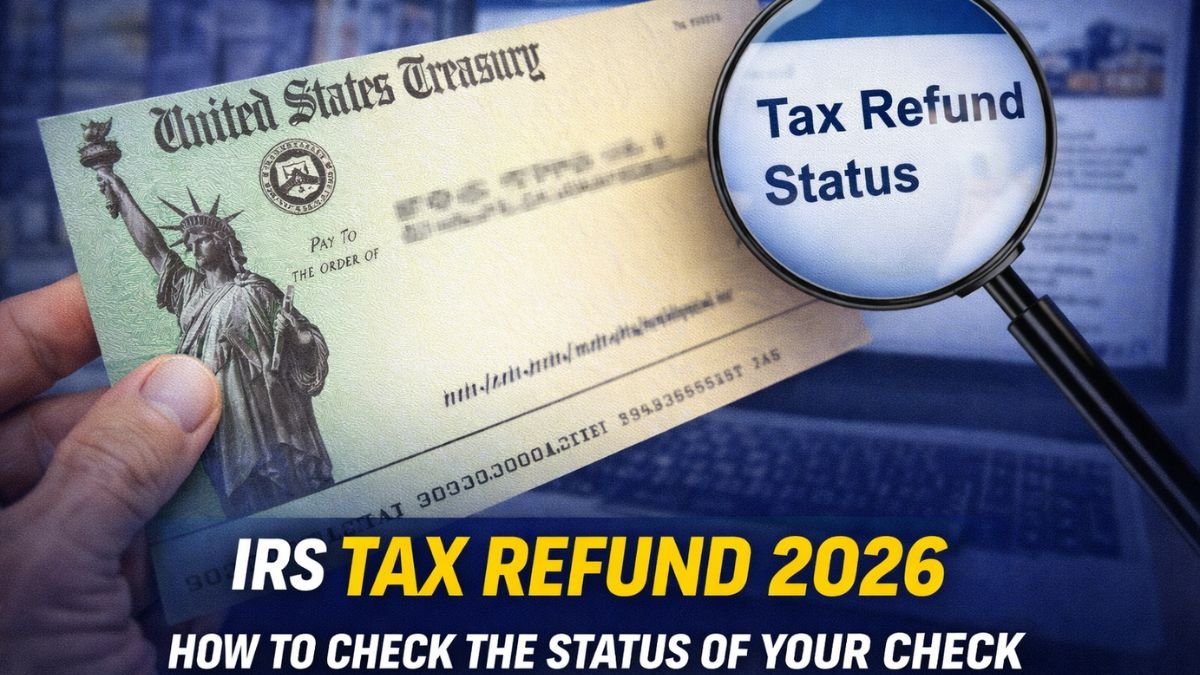
For millions of taxpayers across the United States, tax season brings a mixture of anticipation and responsibility. While filing tax returns is a necessary annual task, one of the most exciting aspects for many individuals is receiving a tax refund. In 2026, as taxpayers complete their filings and await payments, many are eager to know exactly when their refund will arrive and how they can track its progress.
The process of checking the status of a tax refund has become much easier in recent years thanks to digital tools provided by the Internal Revenue Service, commonly known as the IRS. These tools allow taxpayers to monitor their refund in real time and receive updates about when their money will be processed and sent.

Understanding how the system works can help reduce anxiety and ensure that taxpayers stay informed throughout the refund process. Instead of guessing when a payment might arrive, individuals can rely on official IRS resources to check the exact status of their refund.
How the IRS Processes Tax Refunds
Before a refund is issued, the IRS must review and process each tax return submitted by taxpayers. This involves verifying personal information, confirming income details, and ensuring that the calculations provided in the return are accurate.
Most tax returns today are filed electronically through the Internal Revenue Service e-file system, which significantly speeds up processing time compared to traditional paper filings. When a return is submitted electronically and no errors are detected, refunds are typically processed within a few weeks.

However, certain situations can slow down the process. If the IRS identifies missing information, discrepancies in income reports, or potential fraud concerns, the return may require additional review. In such cases, taxpayers might experience delays before their refund is approved.
Once the return passes the verification stage, the IRS schedules the refund for payment either through direct deposit or by sending a paper check through the mail.

Using the “Where’s My Refund?” Tool
One of the most popular and convenient ways to check a refund status is by using the official online tool called Where’s My Refund?, available through the IRS website.

This tool was designed to provide taxpayers with clear and updated information about their refund. By entering a few basic details, individuals can quickly access the current status of their payment.
To use the tool, taxpayers typically need three key pieces of information: their Social Security number or Individual Taxpayer Identification Number, their filing status, and the exact refund amount listed on their tax return.
Once the information is entered, the system displays one of several status updates. These usually include confirmation that the return has been received, notification that the refund has been approved, or confirmation that the payment has been sent.
The tool is updated regularly, usually once per day, allowing taxpayers to stay informed without needing to contact the IRS directly.
Checking Refund Status Through the IRS Mobile App
In addition to the website tool, taxpayers can also track their refund using the mobile application IRS2Go. This official app from the Internal Revenue Service provides several features designed to make tax management easier.
Through the app, users can check their refund status, access tax tips, and receive important updates about tax deadlines and policy changes. The interface is designed to be simple and accessible, making it convenient for people who prefer using smartphones instead of desktop computers.
The IRS2Go app uses the same database as the “Where’s My Refund?” tool, meaning the information displayed in both places is identical. This gives taxpayers flexibility in how they choose to track their refunds.
For many individuals, the mobile app offers a convenient way to stay updated without needing to log in to a computer or search through emails for tax information.
Understanding the Different Refund Status Messages
When checking the refund status, taxpayers may notice that the system displays different types of messages. Each message represents a specific stage in the refund process.
The first message typically confirms that the IRS has received the tax return and has begun processing it. At this stage, the agency is reviewing the submitted information and verifying the accuracy of the data.
The next stage indicates that the refund has been approved. This means the IRS has completed its review and has determined that the taxpayer is eligible to receive the refund amount listed in the return.
Finally, the system will show that the refund has been sent. If the taxpayer selected direct deposit, the payment may appear in the bank account within a few days. If the refund is being sent as a paper check, it may take longer to arrive through the postal service.
Understanding these stages helps taxpayers know exactly where their refund stands in the process.
How Long Refunds Usually Take
The amount of time required to receive a tax refund depends on several factors, including the method used to file the tax return and the payment option selected.
Electronic filing combined with direct deposit is generally the fastest method. In many cases, taxpayers receive their refunds within 21 days after the IRS accepts the return.
Paper returns take significantly longer because they must be manually processed by IRS staff. During busy tax seasons, processing times for paper filings can extend to several weeks or even months.
Another factor that can affect timing is the accuracy of the tax return. Returns with mistakes or missing information may require additional review, which can delay the refund.
By using electronic filing and ensuring all information is correct before submission, taxpayers can significantly improve their chances of receiving their refunds quickly.
Reasons Why a Tax Refund Might Be Delayed
Although the IRS aims to process refunds as quickly as possible, there are several reasons why delays can occur. One of the most common causes is incorrect or incomplete information on the tax return.
For example, errors in Social Security numbers, incorrect bank account details, or missing documentation can trigger additional review. When this happens, the IRS may need more time to verify the information before issuing the refund.
Another potential cause of delays is identity verification. The IRS sometimes flags returns for additional security checks if there is any indication of possible identity theft or fraudulent activity.
Certain tax credits can also extend processing time. Refunds that involve credits like the Earned Income Tax Credit or the Additional Child Tax Credit may require extra verification steps before payment is released.
Although these checks may slow down the process, they are designed to protect taxpayers and prevent fraud.
Tips for Ensuring a Smooth Refund Process
Preparing a tax return carefully can help avoid unnecessary delays and ensure that the refund process moves smoothly. One of the most important steps is reviewing all information before submitting the return.
Taxpayers should double-check their personal details, including names, Social Security numbers, and bank account information. Even small mistakes can cause processing delays.
Using reliable tax preparation software or working with a qualified tax professional can also help ensure accuracy. Many digital platforms automatically check for errors before submitting the return, reducing the chances of mistakes.
Another helpful practice is keeping copies of all tax documents and records. These records may be useful if the IRS requests additional information or if taxpayers need to verify details about their return.
By taking these precautions, individuals can improve their chances of receiving their refund without complications.
The Growing Role of Technology in Tax Management
In recent years, the IRS has made significant efforts to modernize its systems and improve digital services for taxpayers. Online tools, mobile apps, and electronic filing systems have made tax management more accessible and efficient than ever before.
For taxpayers, this shift means fewer uncertainties and greater transparency in the refund process. Instead of waiting weeks without updates, individuals can now check their refund status at any time.
Technology has also helped reduce processing errors and improve security measures. Automated verification systems allow the IRS to detect potential issues quickly while protecting taxpayer information.
As digital services continue to expand, the tax filing experience is likely to become even more streamlined in the future.
Staying Patient While Waiting for Your Refund
Although it is natural to feel eager about receiving a tax refund, it is important for taxpayers to remain patient during the processing period. Most refunds are issued within the expected timeframe, especially when returns are filed electronically.
If a refund takes longer than anticipated, the best approach is to check the official IRS tools for updates. These platforms provide the most accurate information available and often answer common questions about delays.
Contacting the IRS directly is usually unnecessary unless the refund status tool specifically recommends it.
By staying informed and using the available resources, taxpayers can navigate the refund process with confidence.
Looking Ahead to the 2026 Tax Season
As the 2026 tax season progresses, millions of Americans will once again file their returns and wait for their refunds. With improved technology and efficient tracking tools, checking refund status has become easier and more transparent than ever before.
By understanding how the IRS processes returns and by using official tracking tools like “Where’s My Refund?” and the IRS2Go app, taxpayers can stay informed every step of the way.
In the end, receiving a tax refund is more than just a financial transaction. For many families, it represents an opportunity to pay off debts, cover essential expenses, or save for future goals. Knowing how to track that refund helps ensure peace of mind while waiting for the payment to arrive.
FAQs
Q1. How can I check my IRS tax refund status in 2026?
You can check your refund using the Where’s My Refund? tool on the Internal Revenue Service website.
Q2. How long does it take to receive an IRS tax refund?
Most refunds are issued within 21 days if the tax return is filed electronically with direct deposit.
Q3. Can I track my refund on a mobile phone?
Yes, you can track your refund using the IRS2Go mobile app.
