
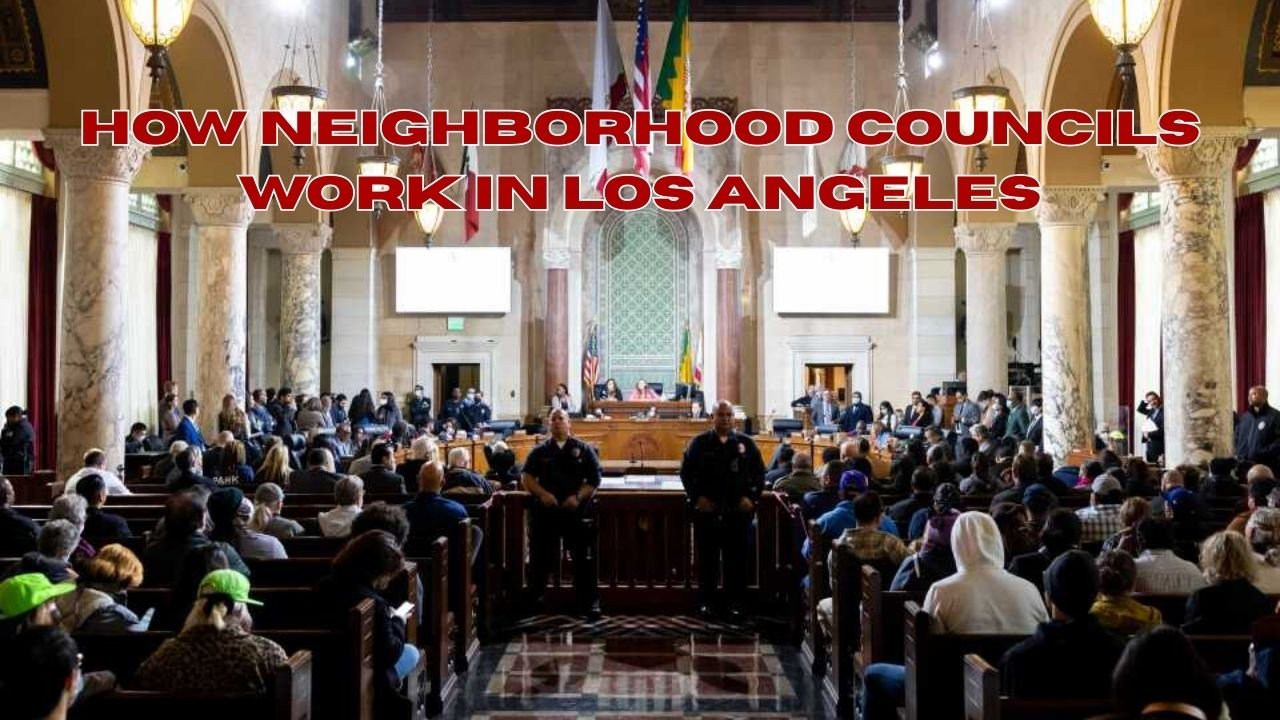
Los Angeles is one of the largest and most diverse cities in the United States, making local representation a constant challenge. To ensure community voices are heard on the grassroots level, the metropolis created a system of Neighborhood Councils (NCs). These councils play an important role in civic engagement, nearby advocacy, and conversation among residents and city government. Understanding how they work helps residents higher take part in shaping their groups.
What Are Neighborhood Councils?
Neighborhood Councils are volunteer-led advisory our bodies hooked up by means of the City of Los Angeles to sell public participation in government. The system become formally created in 1999 as part of the city’s constitution reform, with the goal of bringing decision-making closer to local communities.

There are greater than ninety Neighborhood Councils across Los Angeles, each representing a particular geographic vicinity. These councils do now not pass legal guidelines or implement policies, however they offer input, suggestions, and advocacy on issues affecting their neighborhoods.
Who Can Participate?
One of the defining functions of Neighborhood Councils is their extensive definition of “stakeholders.” Stakeholders encompass individuals who live, work, very own property, attend school, or have a community interest within a council’s obstacles. This inclusive technique allows renters, enterprise owners, employees, students, and network participants to participate—no longer simply owners.
Board individuals are elected via stakeholders throughout neighborhood elections, normally held each two or four years. These elected volunteers constitute distinct segments of the community, such as residents, companies, nonprofits, children, or seniors.
How Neighborhood Councils Operate

Each Neighborhood Council holds regular public meetings, often monthly, in which network members can improve concerns, ask questions, and provide input. Meetings follow open-government policies, making sure transparency and public get right of entry to.
Councils regularly form committees centered on precise problems which includes public protection, housing, transportation, homelessness, education, or environmental worries. These committees studies subjects, collect network feedback, and make guidelines to the overall board.
Neighborhood Councils additionally get keep of annual investment from the metropolis, which they could use for network development initiatives, outreach efforts, activities, and network services. All spending need to observe strict obligation and reporting pointers.
Role in City Government

Neighborhood Councils feature an instantaneous hyperlink among residents and city officers. They communicate community issues to city council offices, city departments, and elected officers. Councils can post Community Impact Statements on proposed town tips, ordinances, or improvement projects, making sure community views are considered.
While their feature is advisory, Neighborhood Councils often have an impact on alternatives through organizing community enter, highlighting local priorities, and advocating for network dreams.
Why Neighborhood Councils Matter
Neighborhood Councils remember due to the fact they beef up nearby democracy. They give residents a voice in a metropolis wherein decision-making can in any other case experience remote and complex. By offering a dependent platform for dialogue, councils assist make certain diverse views are heard.
They additionally inspire civic education and management. Many citizens advantage firsthand experience in public service through Neighborhood Councils, studying how town government works and a way to suggest efficiently for change.
Additionally, Neighborhood Councils assist deal with nearby troubles greater speedy. Whether it’s issues about street protection, sanitation, improvement, or network assets, councils provide a area for pals to collaborate and are trying to find solutions together.
Challenges and Ongoing Importance
Like any volunteer system, Neighborhood Councils face disturbing situations, together with limited participation, investment constraints, and balancing numerous viewpoints. However, their continued presence displays the city’s willpower to community-based governance.
As Los Angeles continues to develop and trade, Neighborhood Councils continue to be a critical tool for ensuring neighborhoods have a voice in shaping their future.
Conclusion
Neighborhood Councils are a cornerstone of civic engagement in Los Angeles. By connecting citizens directly to town authorities, they sell transparency, inclusivity, and neighborhood participation. Although they do now not hold legislative power, their have an effect on lies in representing network voices and advocating for neighborhood desires. For citizens who need to be knowledgeable, involved, and empowered, Neighborhood Councils provide a meaningful way to participate in neighborhood democracy and assist form the city they call home.
