
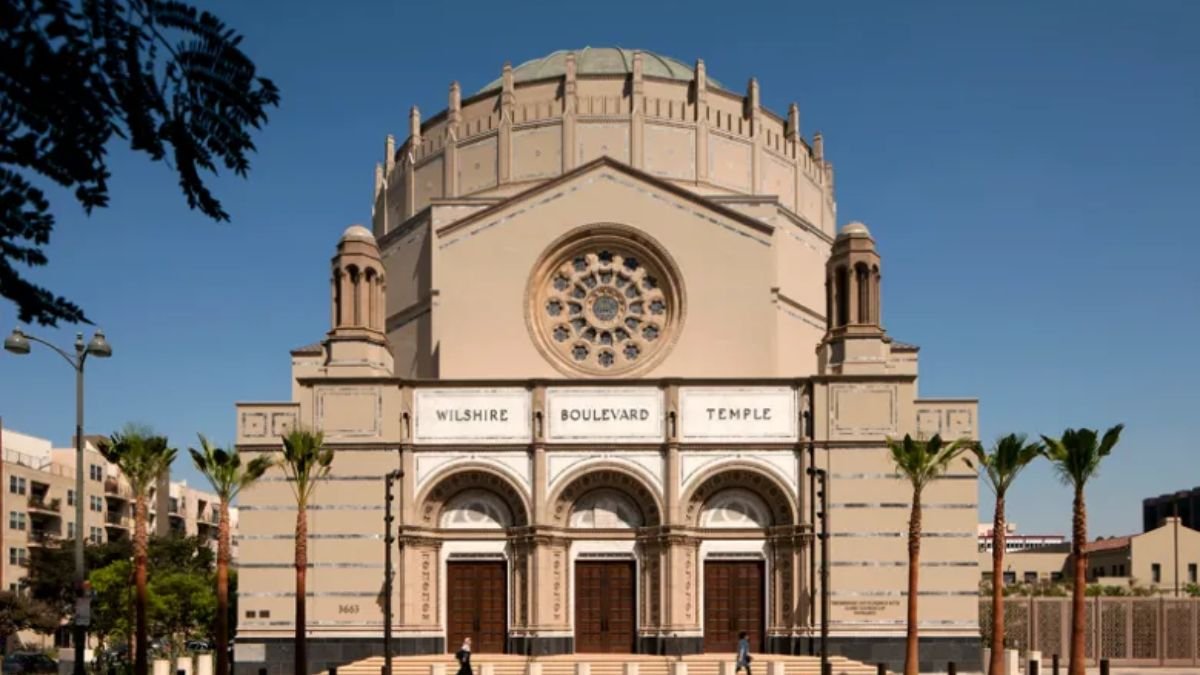
Wilshire Center Koreatown is one of Los Angeles’s most vibrant and diverse neighborhoods. Its origins date back to the early 20th century, Leadership when the area began to develop with small businesses, residential buildings, and cultural centers. The 1920s and 1930s saw the construction of theaters, hotels, and fashion boutiques, transforming the area into a bustling and prestigious commercial hub. Over time, Koreatown became synonymous with the South Korean immigrants who settled there and their culture, further enriching the area culturally and socially.
The area’s growing population and diverse community have made Wilshire Center Koreatown not only a commercial hub but also a center of social and cultural activity. Many families have lived here for generations, while new immigrants continue to settle in the area. This blend makes it unique, as culture, history, and a strong sense of community are evident around every corner.
Social and Cultural Diversity
Koreatown’s history is not just about buildings and businesses; it is also enriched by the diversity of its people. While the South Korean community has shaped its identity, Mexican, Japanese, Filipino, and other Asian communities also call this area home. This diversity is reflected not only in the food, fashion, and entertainment but also in community festivals, local events, and cultural celebrations.
Along with cultural diversity comes strong social cohesion. People work together with their neighbors, discuss community issues, and contribute to the safety and development of the area. This collaboration and participation are what make Wilshire Center Koreatown a vibrant and thriving community.
WCKNC and Community Leadership
The Wilshire Center Koreatown Neighborhood Council (WCKNC) is the leading community leadership institution in the area. The WCKNC’s purpose is not merely to make administrative decisions but to listen to the voices of local residents and protect their interests. This organization provides a common platform for local residents, business owners, and students to discuss the problems, plans, and improvements for their neighborhood.
WCKNC promotes leadership and participation within the community. Through meetings and public events, people not only share their ideas but also have the opportunity to convey their demands and suggestions to the city administration. This initiative demonstrates that when the community is active, not only does local administration function better, but the neighborhood as a whole becomes stronger.
Focus on Community Issues
WCKNC operates various committees to prioritize local issues. These include committees focused on public safety, roads and transportation, health and social services, housing, and business development. For example, the committee working on road safety or traffic issues collaborates with the local administration to suggest solutions and help implement them.
Similarly, the business development committee understands the problems faced by small and medium-sized businesses and provides them with the necessary resources or guidance. Committees focusing on health and social services ensure that facilities are available for the elderly, children, and low-income families. This comprehensive approach makes the community balanced and resilient.
Community Meetings and Participation
WCKNC meetings include people from all segments of the community. Residents share their problems, suggestions, and experiences. The atmosphere at the meetings is welcoming and collaborative, making even first-time attendees feel comfortable.
Participating in these meetings allows people to understand the real needs and challenges of their neighborhood. Often, small issues, such as a broken street light or a garbage problem, lead to significant improvements through these meetings. This shows that local leadership is not limited to planning but also provides an opportunity to bring about real-life change.
Volunteerism and Community Programs
WCKNC is not limited to just meetings. The organization regularly organizes community programs, cleanup drives, cultural festivals, and educational events. By volunteering at these programs, people can actively contribute to the well-being of their neighborhood.
Volunteerism is not only important for the betterment of the neighborhood but also provides opportunities for personal growth. People learn leadership skills, teamwork, and social awareness. In addition, participating in community programs allows people to connect with one another and build stronger relationships within the neighborhood.
The Future and Importance of WCKNC
The future of Wilshire Center Koreatown depends on the level of community engagement. WCKNC is a key instrument in fostering this engagement. When people participate in meetings, volunteer activities, and programs, it not only helps address local issues but also strengthens the identity and resilience of the entire community.
This collaboration between the community and its leadership demonstrates that change doesn’t come solely from administrative decrees, but rather that sustainable and meaningful transformation is possible when people work together. WCKNC has proven over the past decades that community leadership can transform small steps into significant improvements.
Conclusion: An Empowered and Vibrant Community
The history of Wilshire Center Koreatown and the community leadership of WCKNC clearly demonstrate that community and leadership working together can make an area safe, prosperous, and vibrant. From its history to the present day, this area exemplifies cultural diversity, thriving businesses, and active community engagement. A community truly becomes empowered and stable when its members are engaged, understand their rights and responsibilities, and work collaboratively with their leaders.
Organizations like WCKNC prove that shared effort, dialogue, and collaboration can bring about positive change in any community. Wilshire Center Koreatown stands as a shining example of this.
