

In a vast and diverse city like Los Angeles, people often feel that their individual voices get lost amidst the city’s larger policies. But for residents of the Wilshire Center-Koreatown area, there is a platform where their voices can directly reach the city’s decision-making process—the Wilshire Center-Koreatown Neighborhood Council (WCKNC). This is not just a formal institution, but a vibrant bridge between the community and city governance. This is especially important because this area is one of the most densely populated in Los Angeles, where issues related to development, housing, traffic, safety, and community services affect daily life. WCKNC meetings are where local residents go not just to listen, but to make an impact.
Influencing City Policies from the Local Level
The WCKNC acts as an advisory board to the City of Los Angeles. This means that while it is not the final decision-making body, its recommendations and opinions officially reach the city’s mayor and city council. This system provides residents with a direct democratic channel to incorporate neighborhood issues into the city’s larger plans. People often think that city planning or budget decisions are made at a very high level, but the WCKNC offers the opportunity to view and influence those decisions from a local perspective.
Direct Impact on Land Use and Development (PLUM Committee)
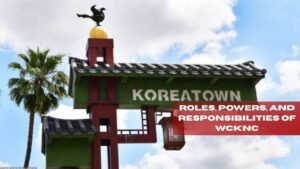
In a dense area like Koreatown, every new building, apartment project, or commercial development impacts traffic, parking, sunlight, air quality, and overall quality of life. This is why the WCKNC’s Planning, Land Use, and Management (PLUM) committee is extremely important. This committee reviews development projects that can change the area’s skyline, housing density, and infrastructure. In these meetings, residents can openly express their concerns—such as, “Will this new project increase traffic?”, “Will parking problems worsen?”, or “Will this development put pressure on local tenants?”. In this way, PLUM meetings empower people, making them not just spectators, but active partners in shaping the future of their neighborhood.
Local Funding and Impact on Community Projects
WCKNC also has the authority to allocate certain local funds as Community-Based Projects and Neighborhood Purpose Grants (NPGs). These grants are invaluable for local non-profit organizations, schools, and community programs. This means that if an organization in the community wants to run an educational program for youth, or if a school needs additional resources, financial assistance may be possible through WCKNC. Those who participate in the meetings can see where the money is going and which initiatives are being prioritized. This strengthens both transparency and participation.
A Voice in City Governance: Community Impact Statements (CIS)
Another powerful tool of WCKNC is Community Impact Statements (CIS). Through these statements, the Council can issue official statements in support of or opposition to a city-level policy or proposal. This statement goes directly into the records of the Mayor and City Council. This ensures that the specific needs of Wilshire Center–Koreatown—whether related to housing, transportation, rent control, or social services—are not overlooked at the city level. This system brings local experience to the policy-making table.
A Platform for Accountability and Representation
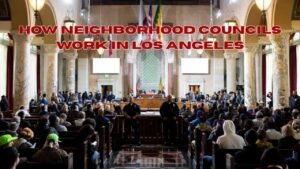
Democracy is not limited to simply casting a vote; holding elected representatives accountable is equally important. WCKNC meetings provide residents with the opportunity to ask board members direct questions and ensure that they are truly representing the diverse interests of the community—including homeowners, tenants, small business owners, and immigrant communities. This open dialogue builds trust and makes leadership more responsive.
Discussions on Safety, Homelessness, and Community Services
These meetings often involve discussions on public safety, homelessness, and issues related to the local infrastructure. For example, community input is sought on initiatives such as street lighting, street trees, or Business Improvement Districts (BIDs). These topics directly impact people’s daily lives—feeling safe at night, having a clean environment, and access to better community services.
Multilingual Access: An Open Forum for a Diverse Community
Koreatown is known for its cultural diversity, with a significant population of English, Spanish, and Korean speakers. The WCKNC’s Outreach Committee ensures that communication and information are available in these key languages, so that language is not a barrier to participation. This approach makes the democratic process more inclusive.
How Can Residents Participate?
Participation is simple. Residents can attend meetings and share their opinions on agenda items. Additionally, during sessions like “Speakers from the Floor,” they can speak on issues not included on the agenda. Meetings are typically held monthly, and committees such as PLUM meet separately. These meetings are held within the community itself, making them easily accessible to local residents. Agendas and other information are shared in advance, and in many cases, virtual participation options are also available.
Conclusion: Local Participation, Stronger Community
WCKNC meetings are not just formal gatherings, but a vibrant democratic process where the future of the neighborhood is shaped. Participating in them is an act of responsibility towards one’s home, street, and community. When people utilize these forums, the city’s broader policies become more humane and closer to local realities. In a busy and densely populated area like Wilshire Center–Koreatown, this participation is the force that can make development balanced, inclusive, and community-centered.
